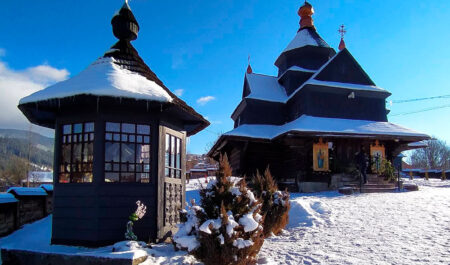
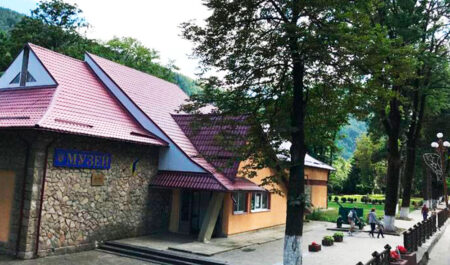
The Museum of Traditional Hutsul Symbolism in Mykulychyn is a cozy private museum that offers visitors a deeper understanding of Hutsul culture. Situated in the village center, in a building styled like a traditional grazhda (cottage), it has been operating since 2012 as part of the Carpathian National Nature Park.
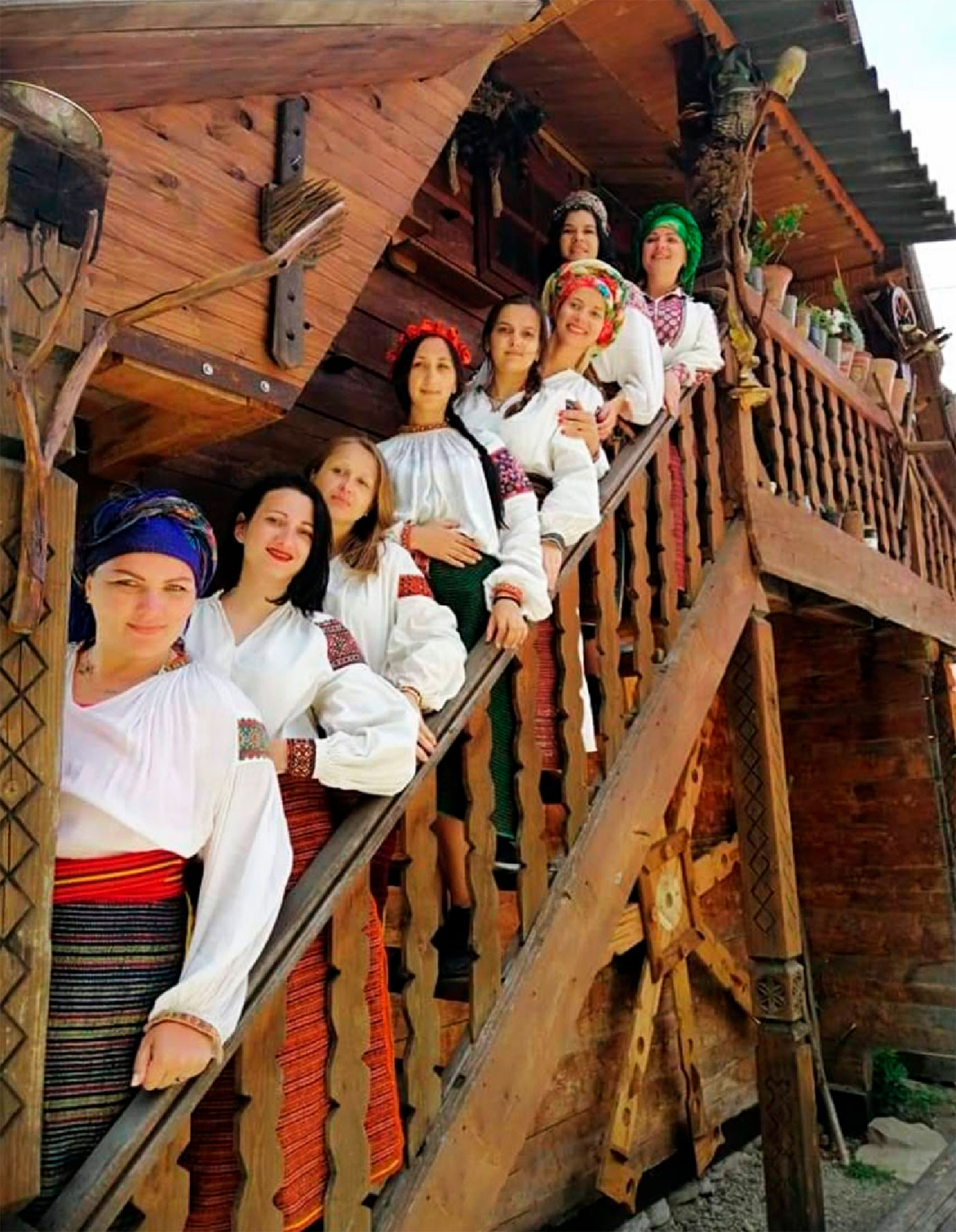
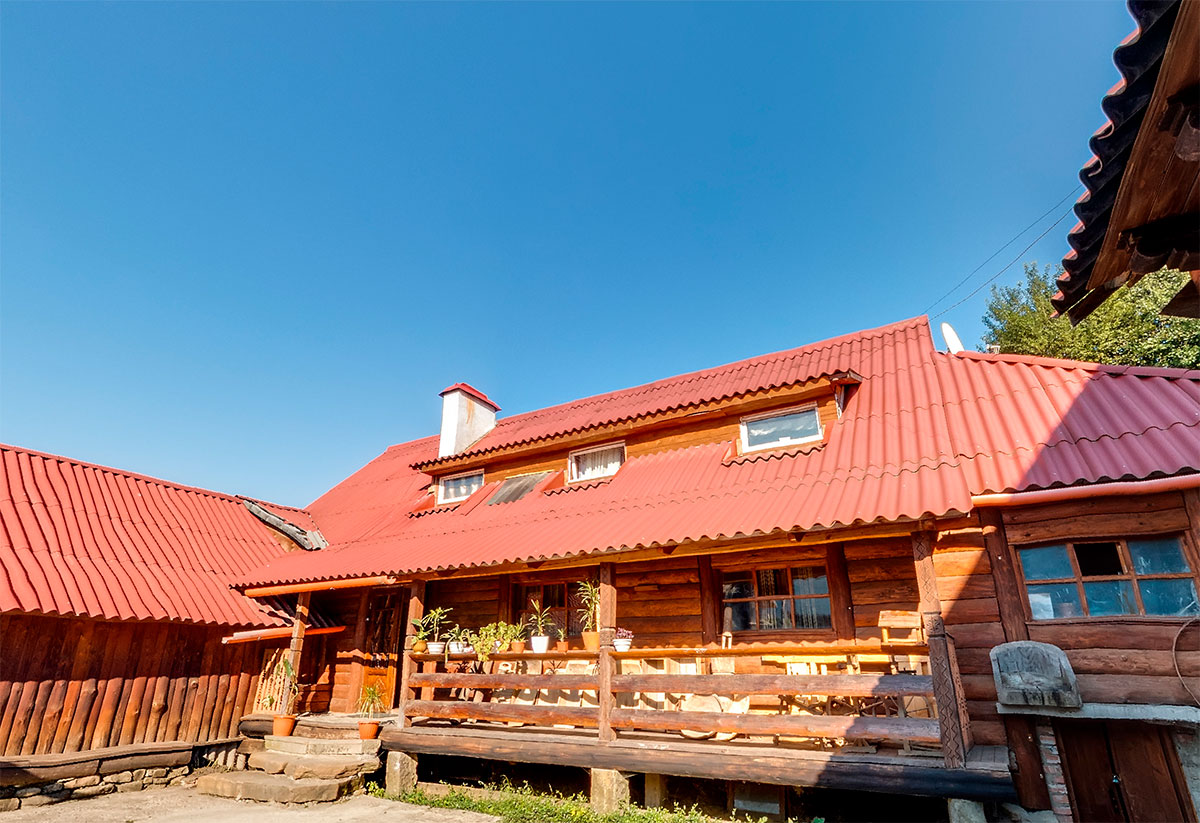
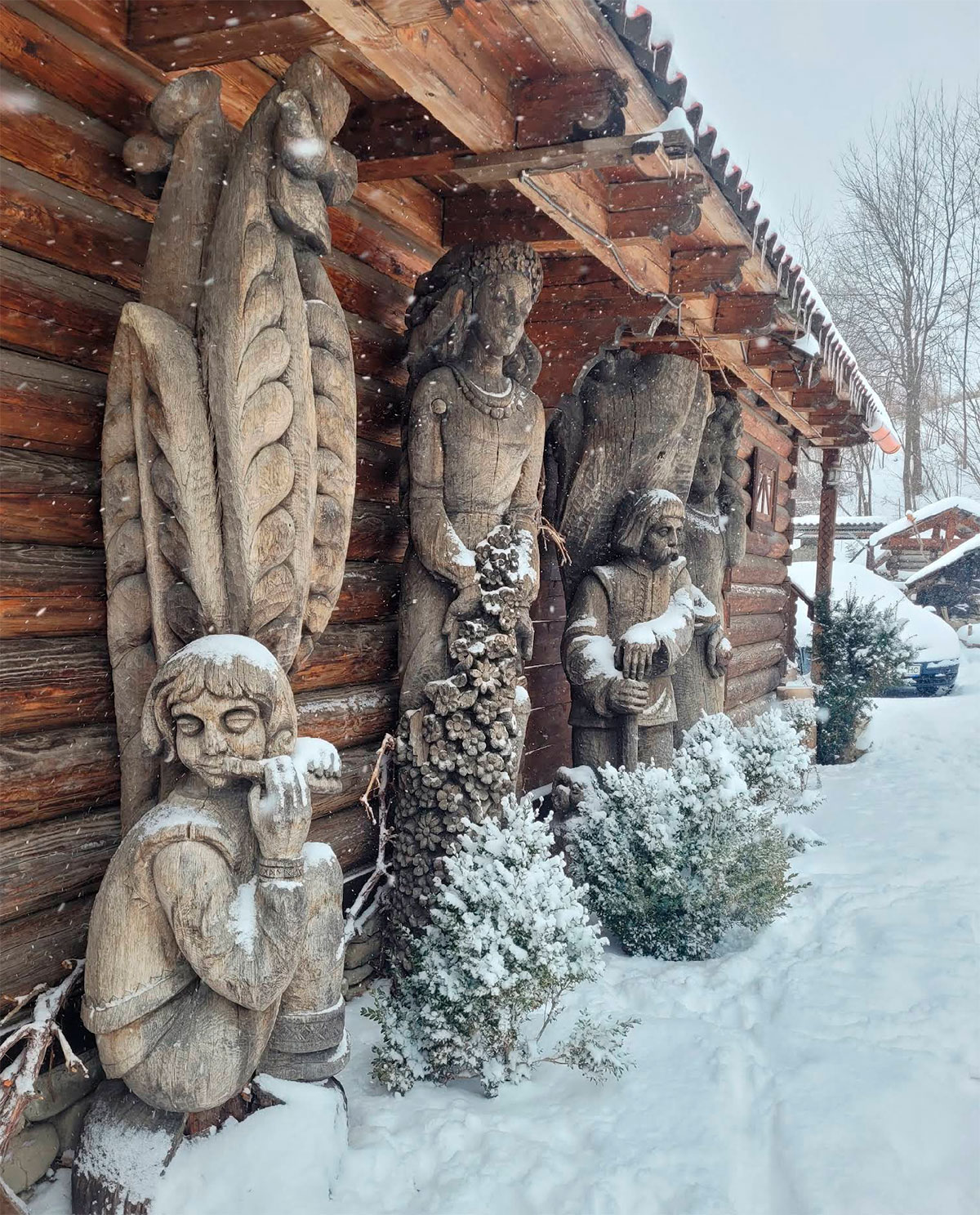
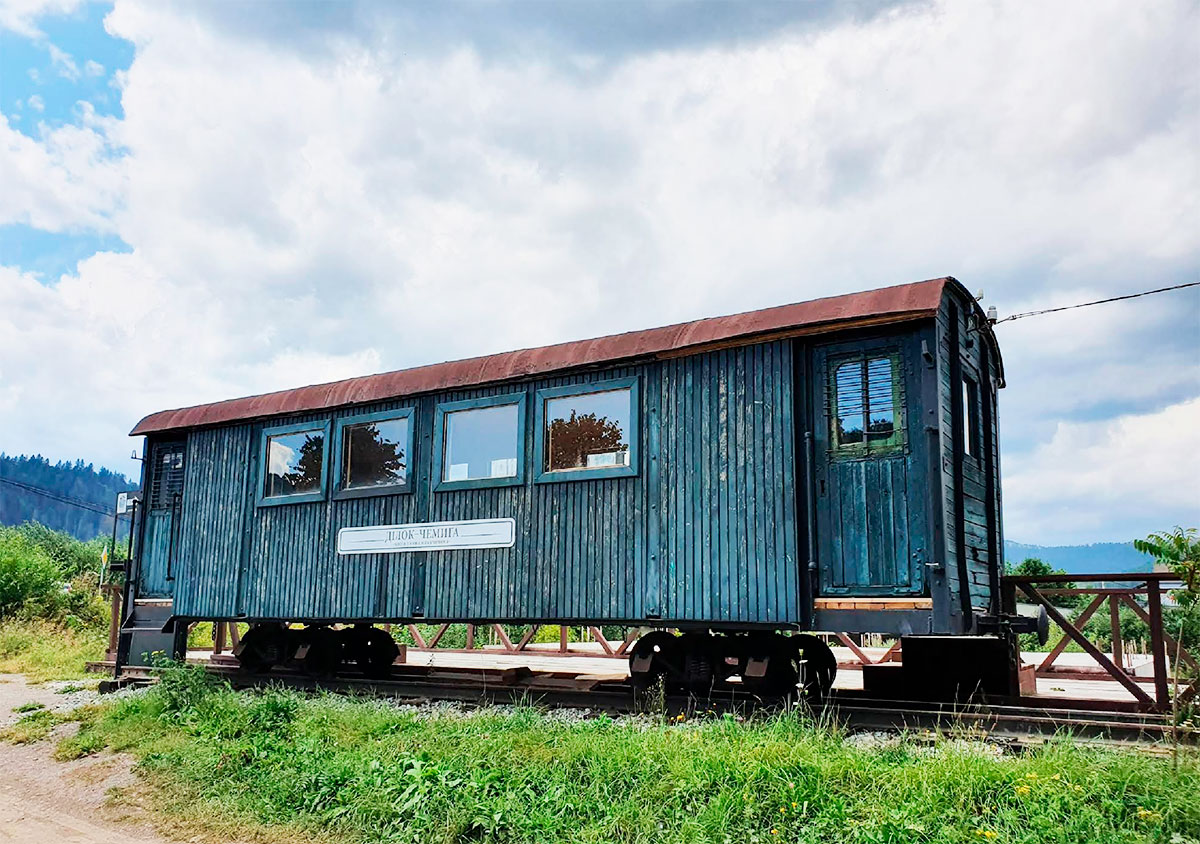
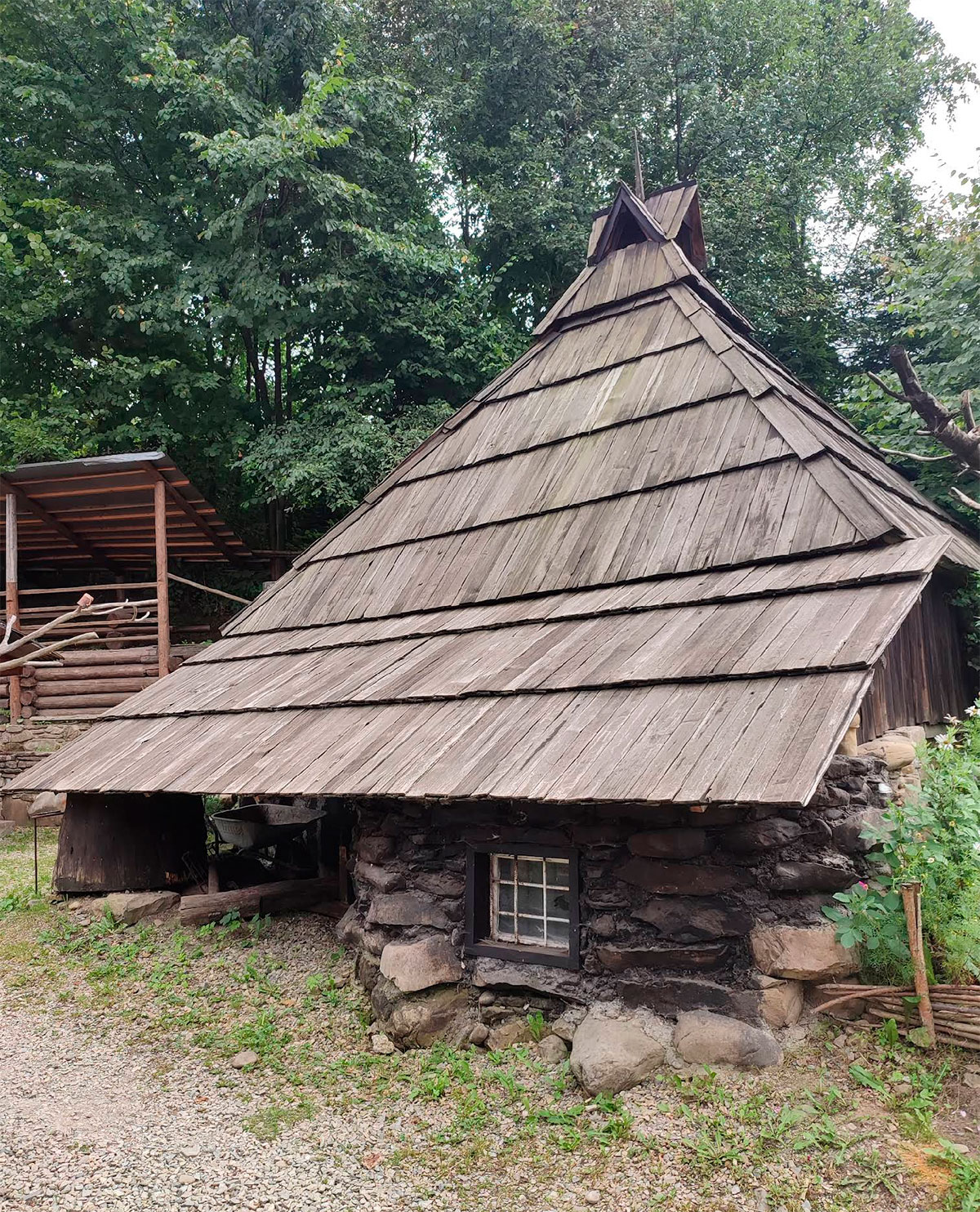
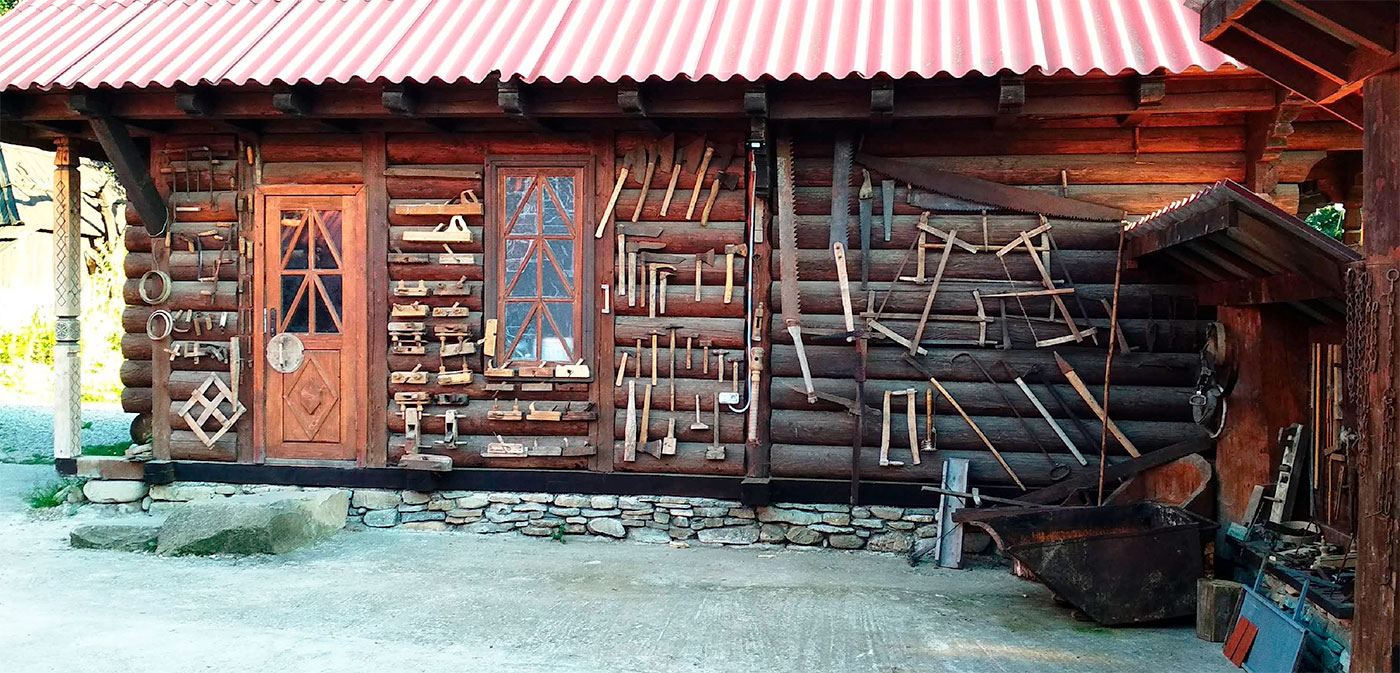
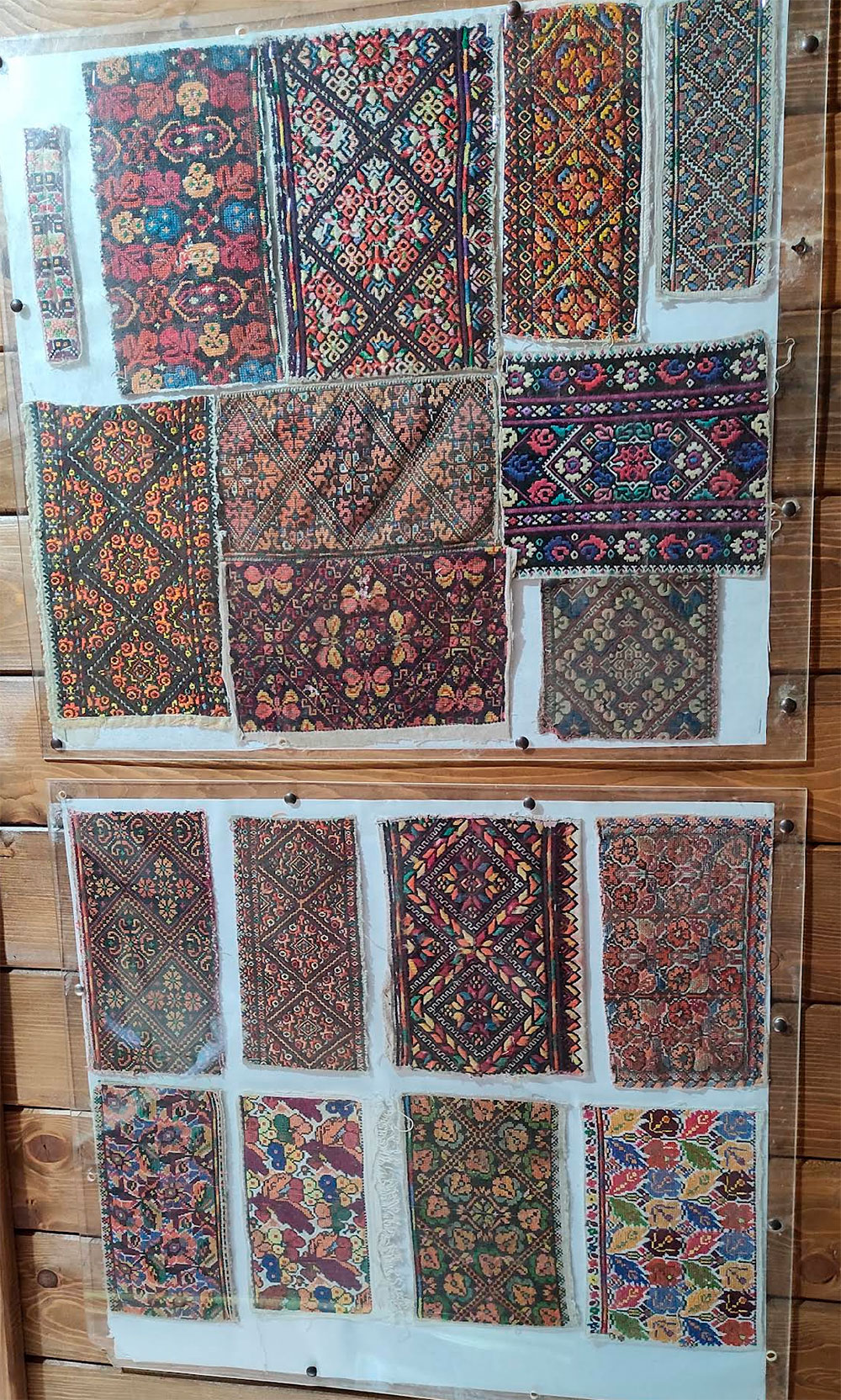
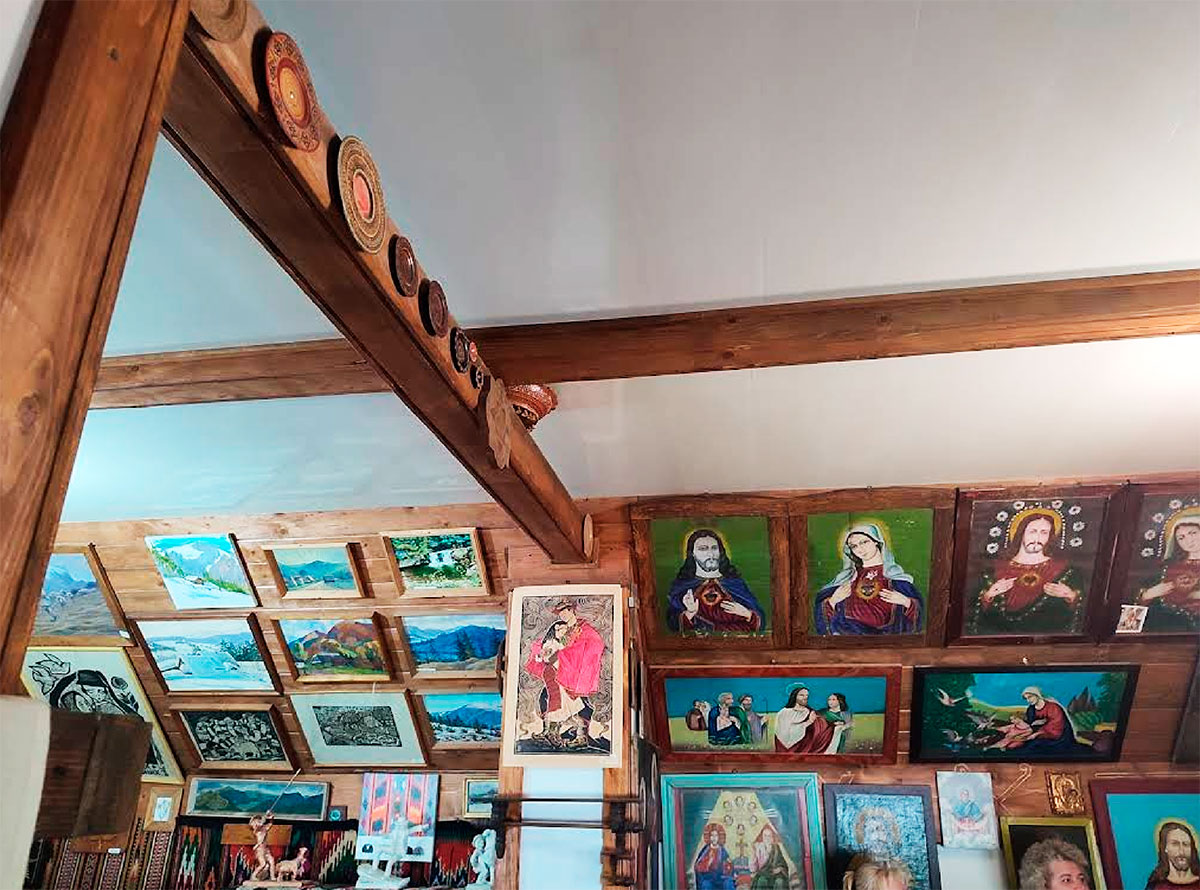
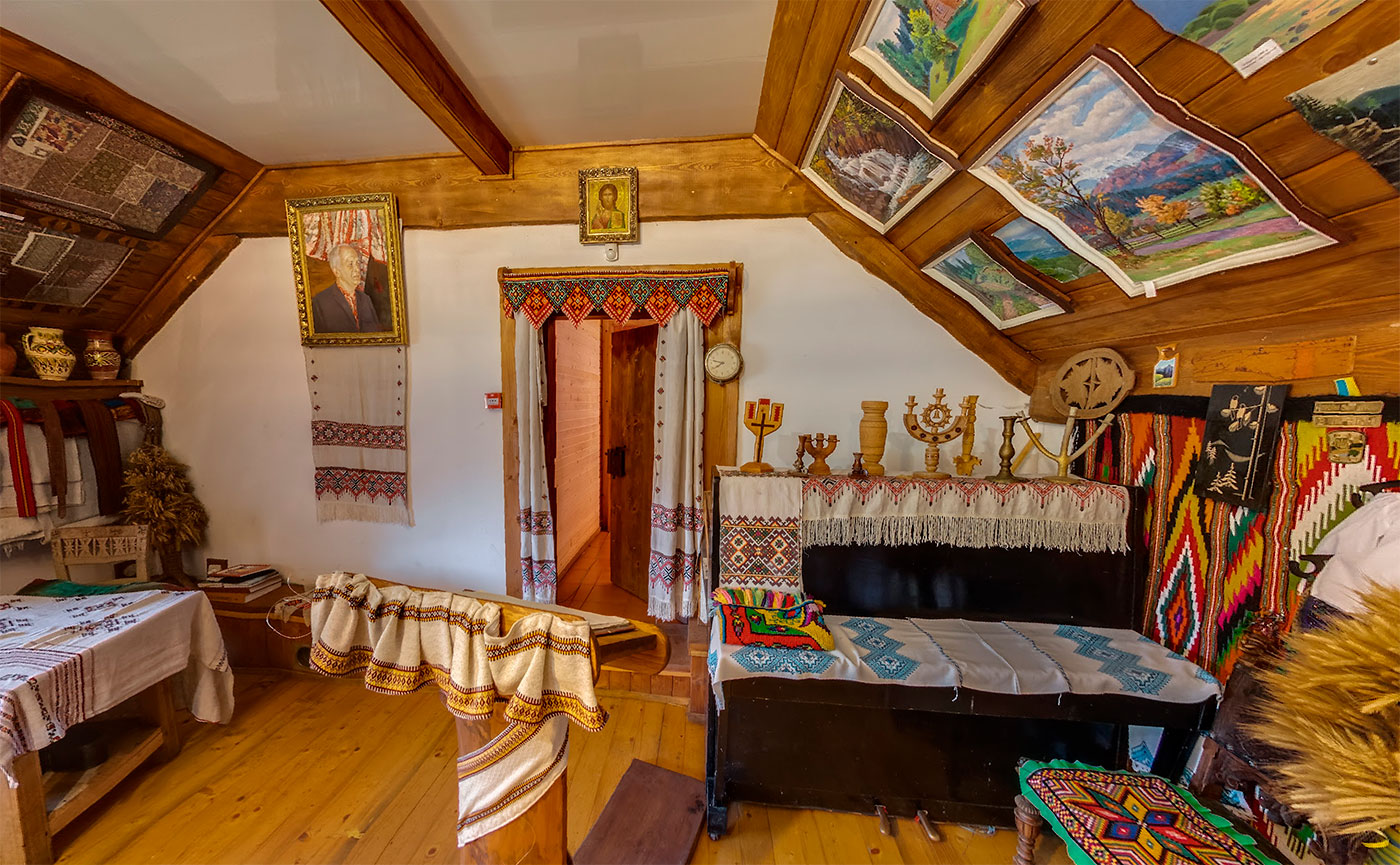
Unlike large city museums, everything here is very intimate and personal. The exhibition is spread across several rooms and is built around the idea of symbols: each object is not just an object, but a bearer of specific meaning. Ancient symbols passed down from generation to generation can be seen on towels, embroidered shirts, carved wooden objects, and ceramics. The museum’s owners explain the meaning of the patterns and why these particular designs were used for amulets, wedding items, and everyday clothing.
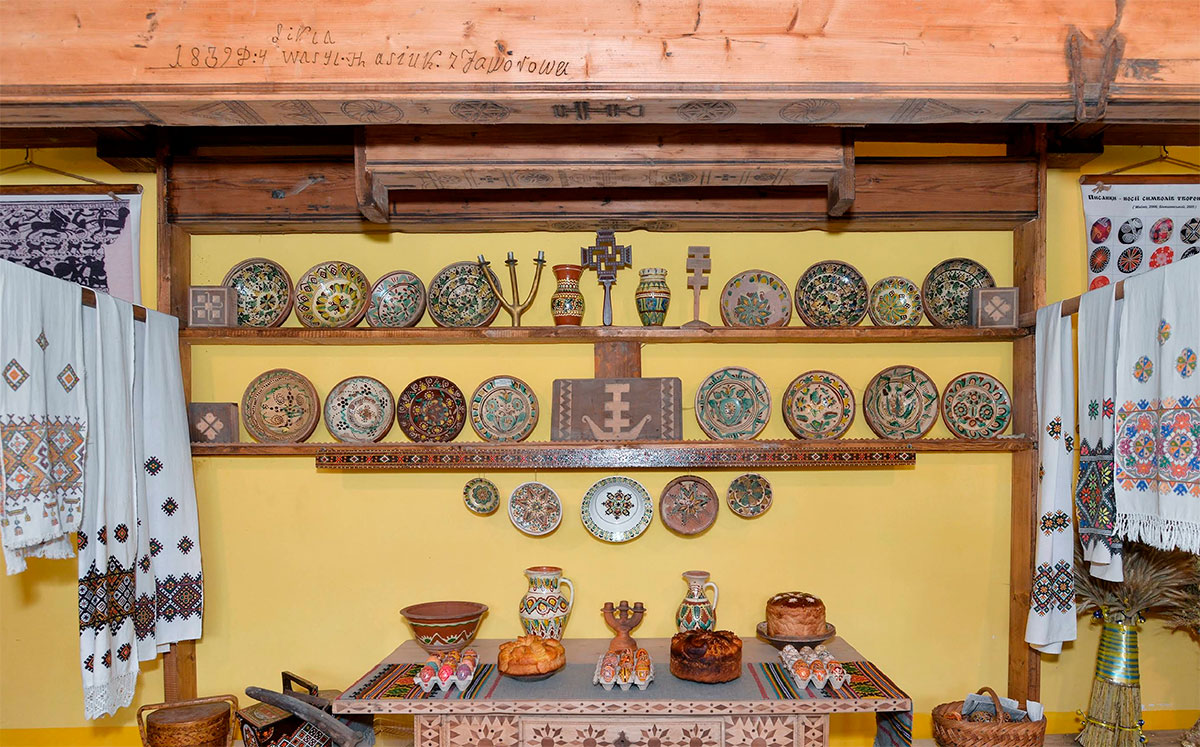
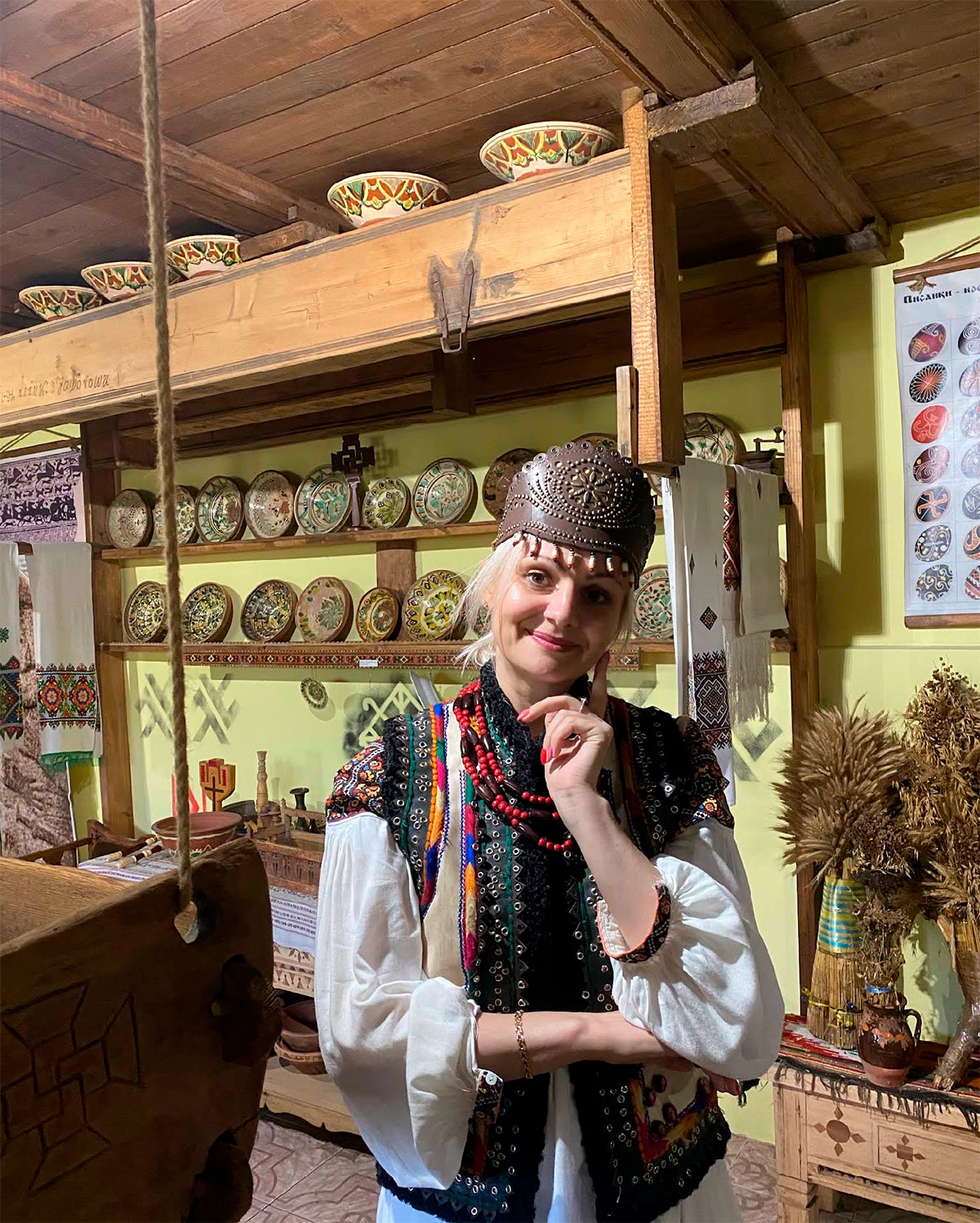
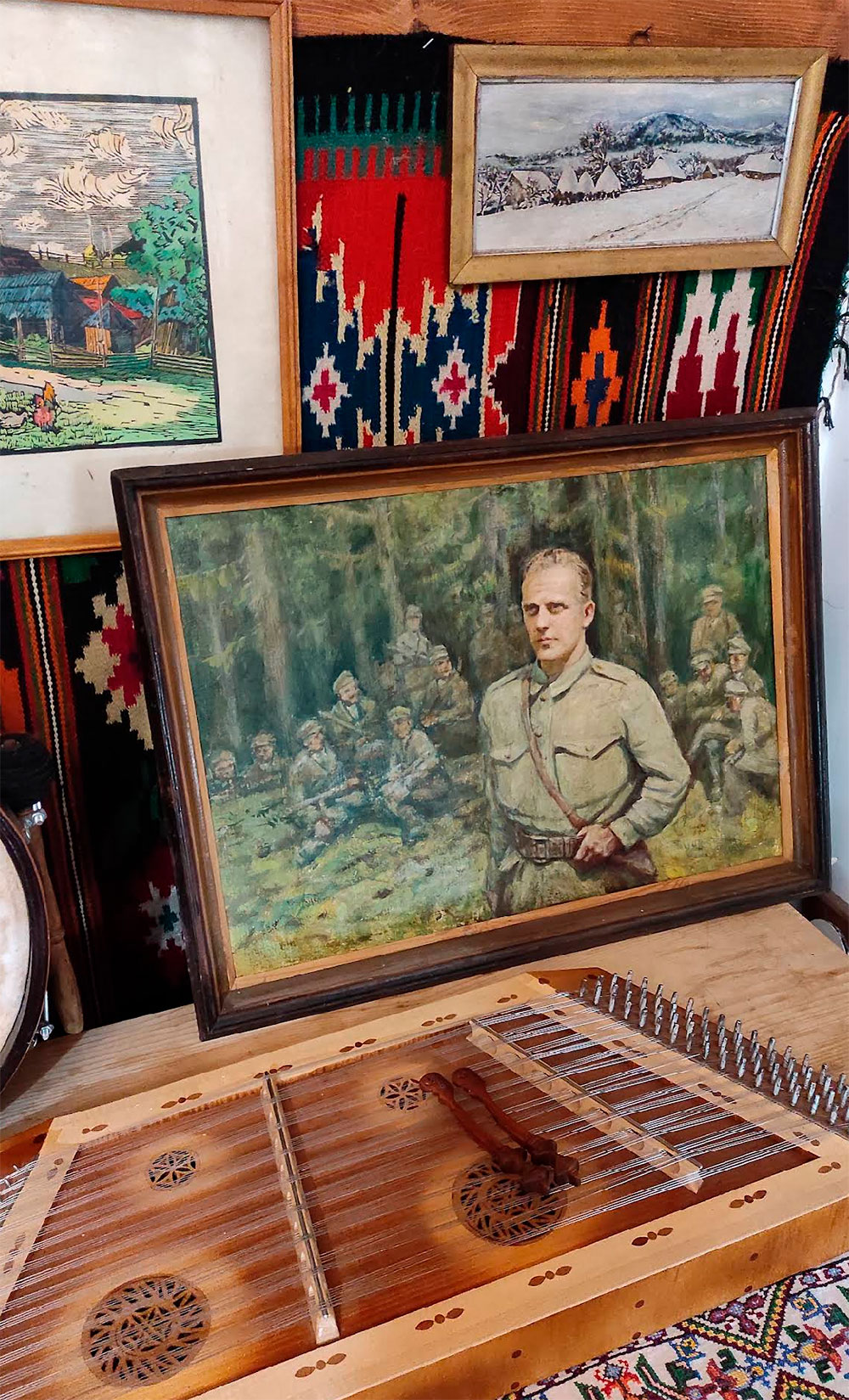
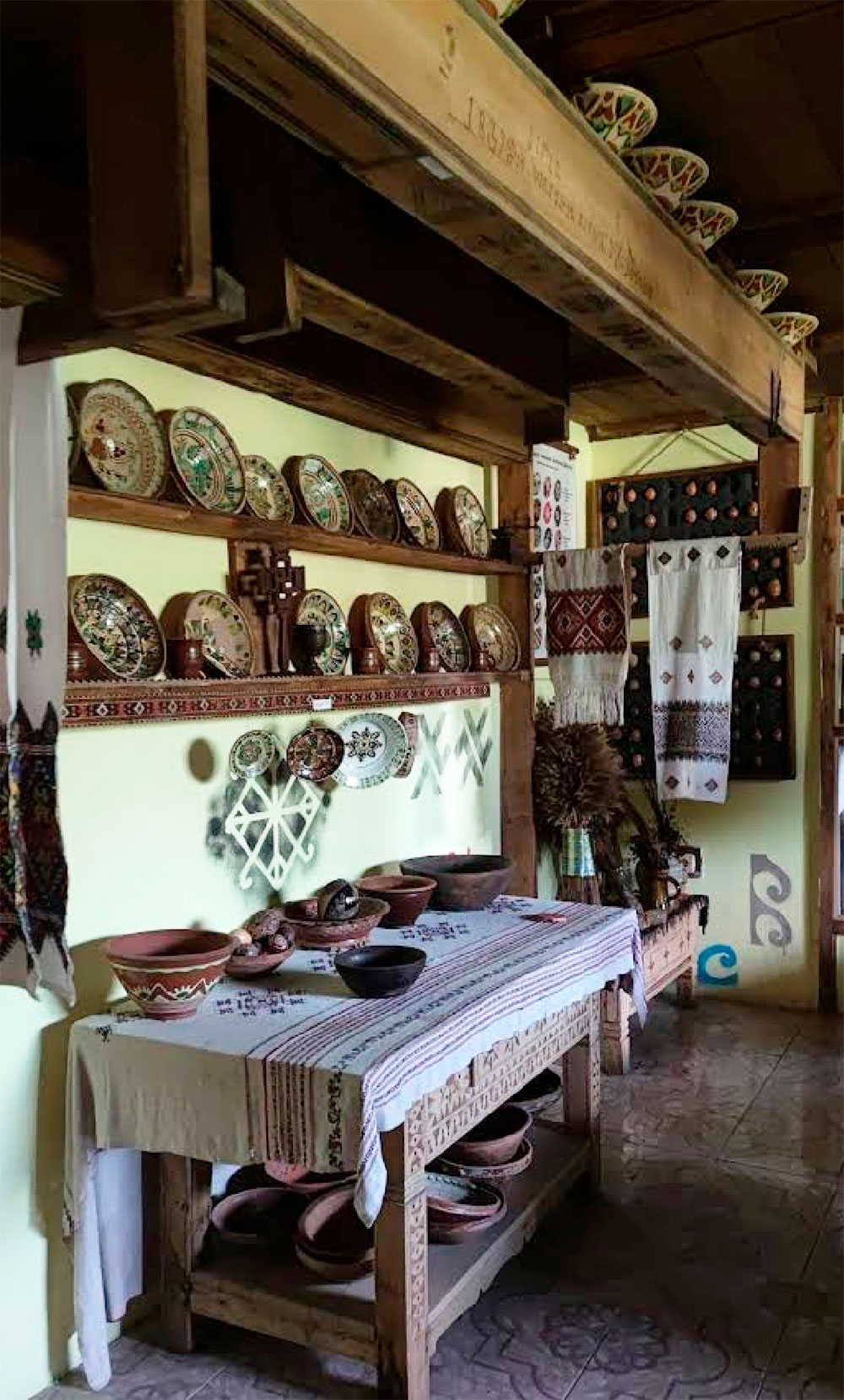
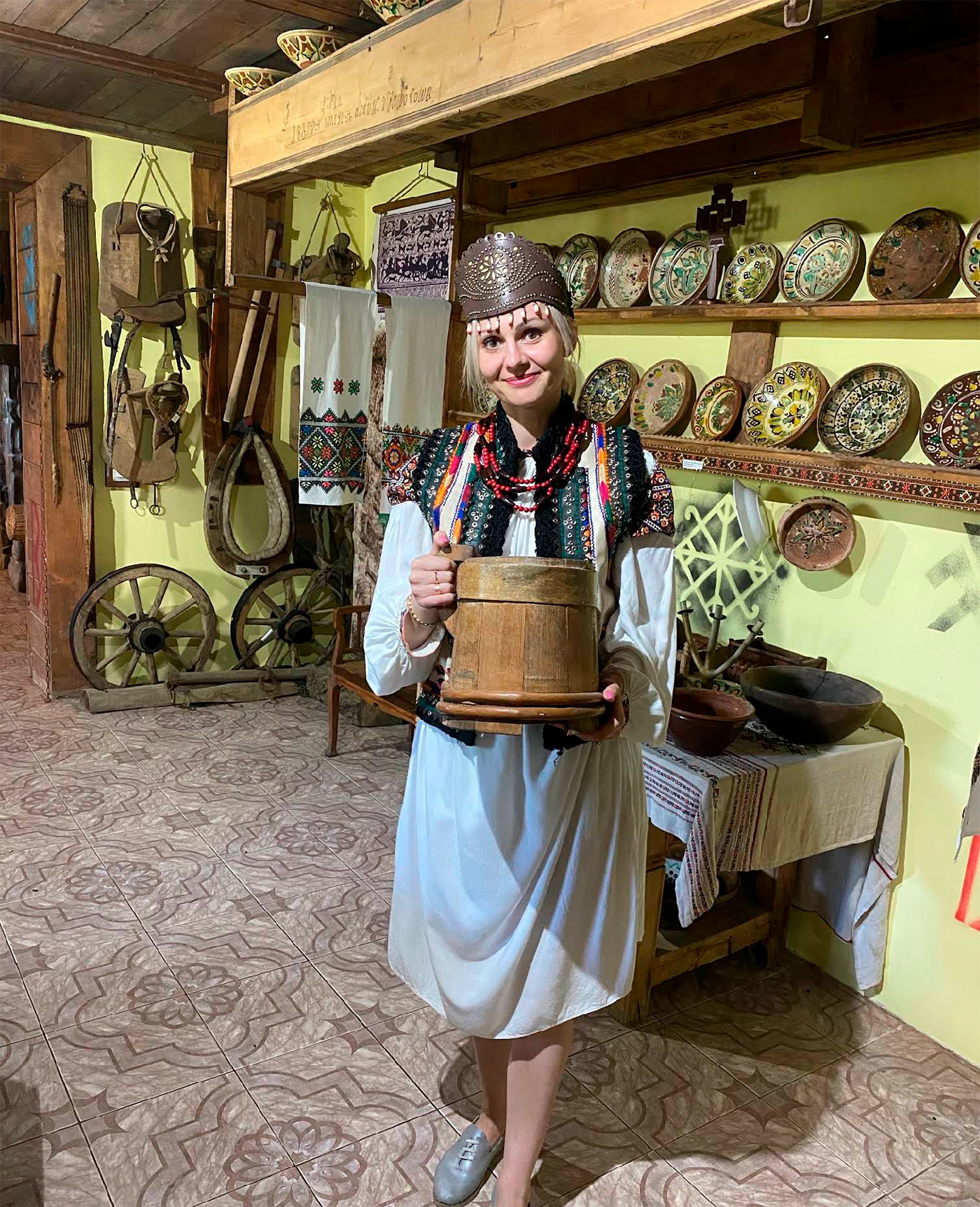
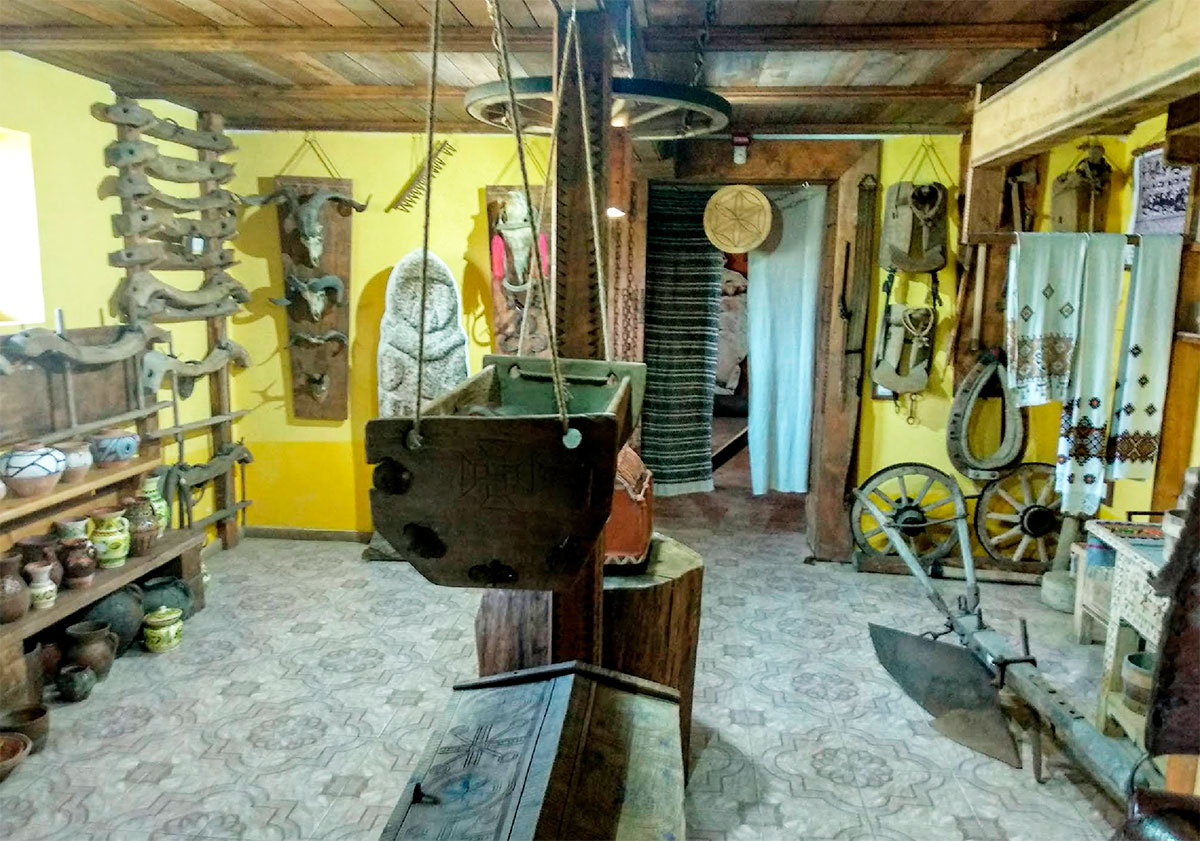
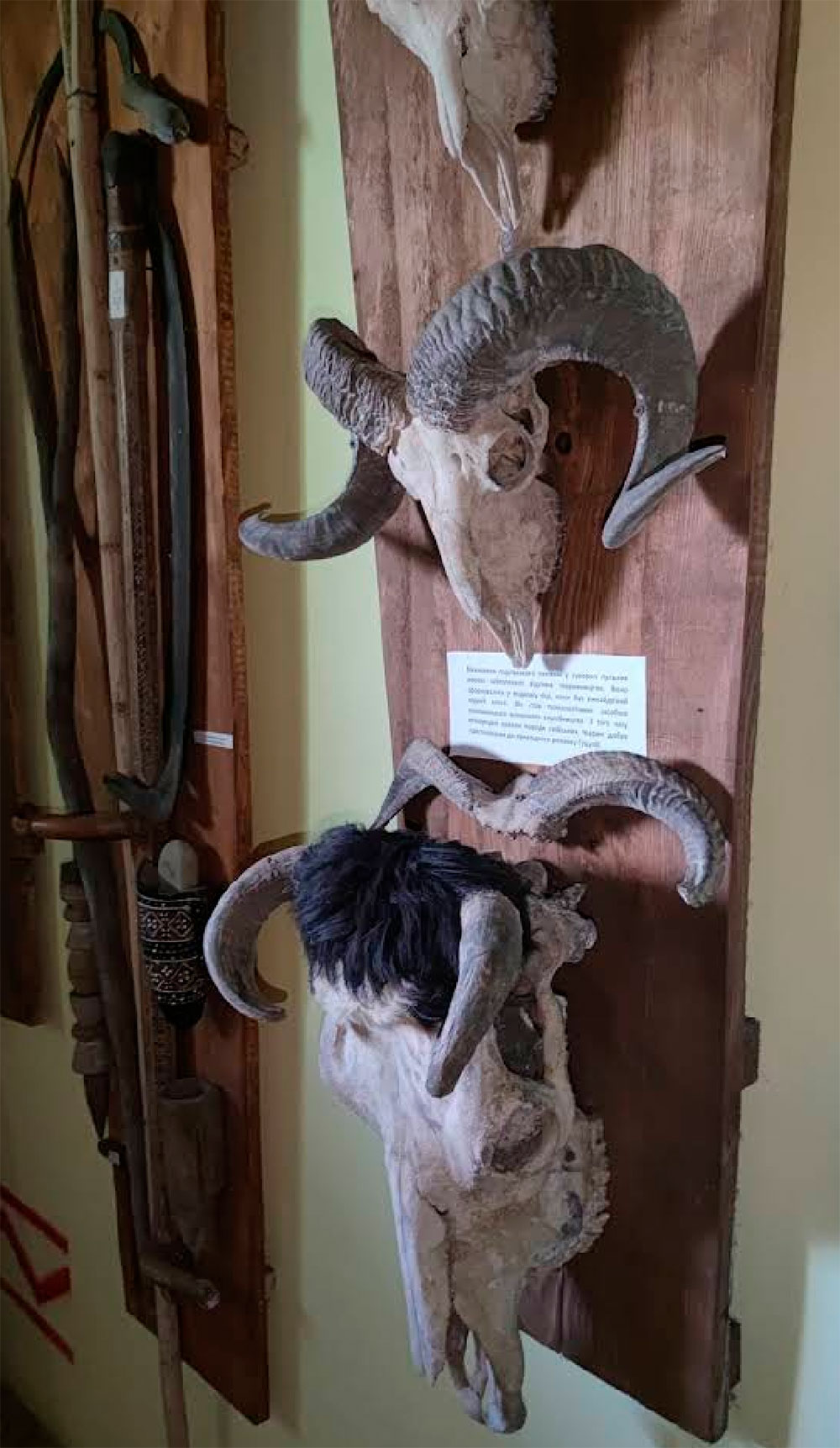
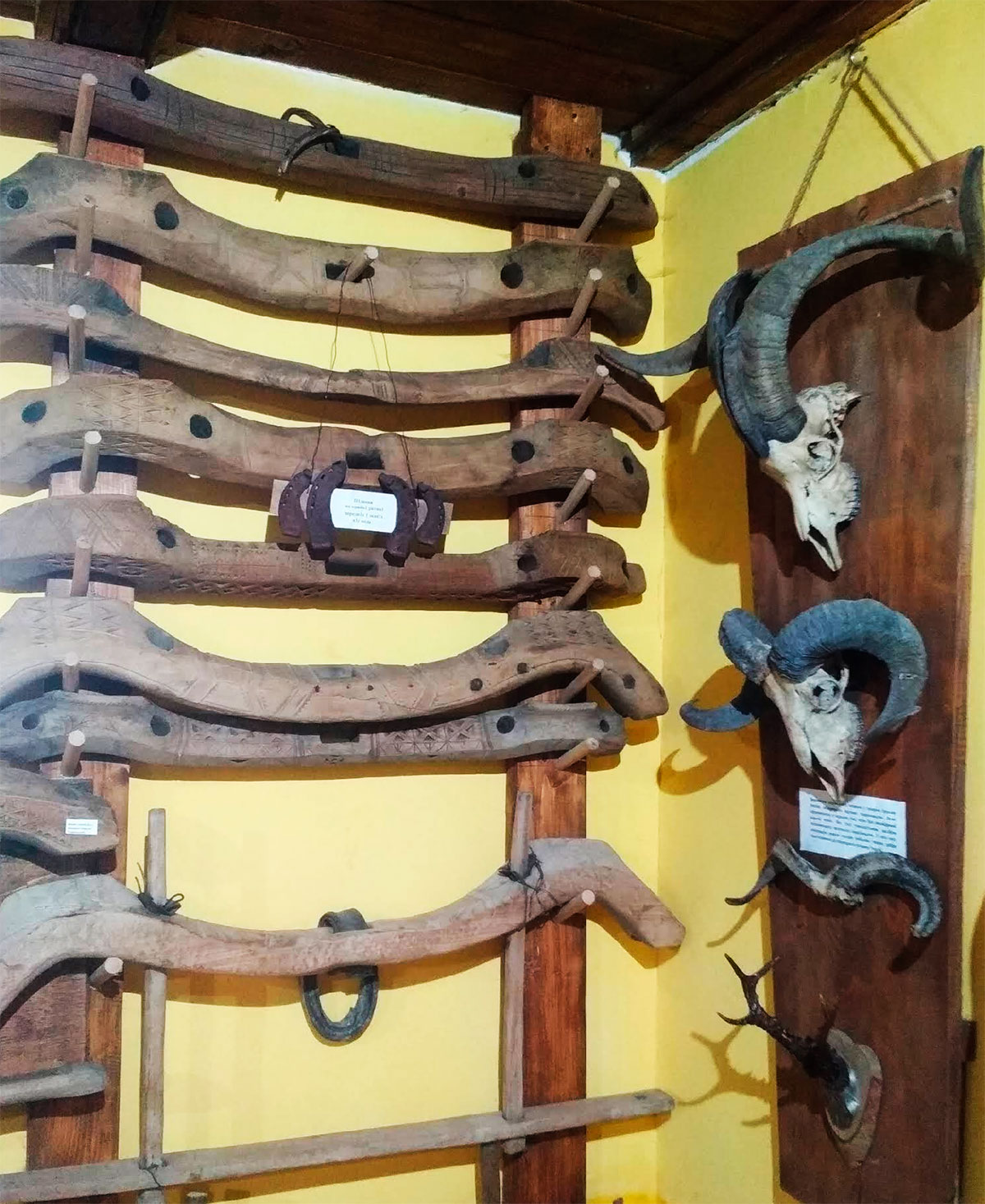
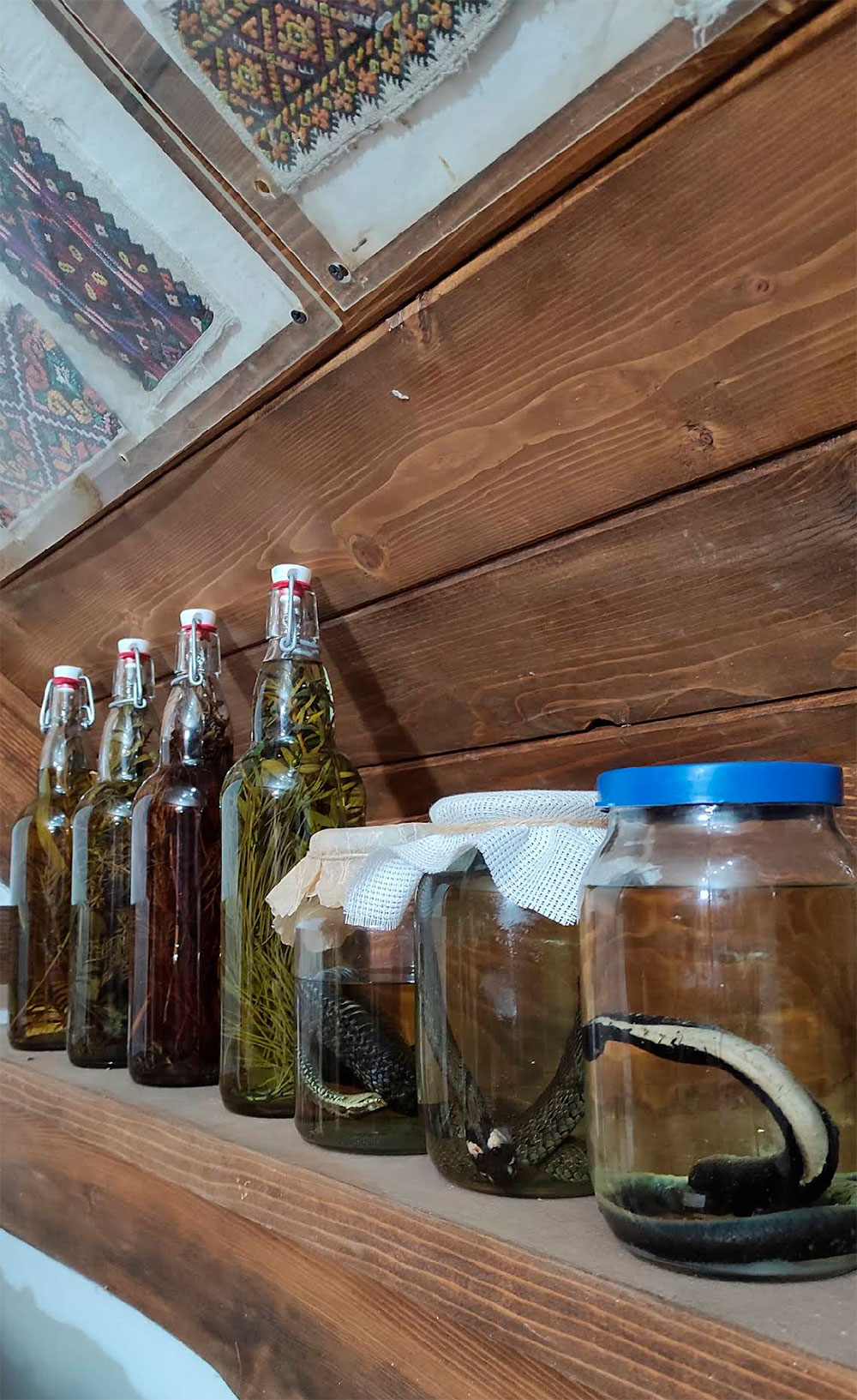
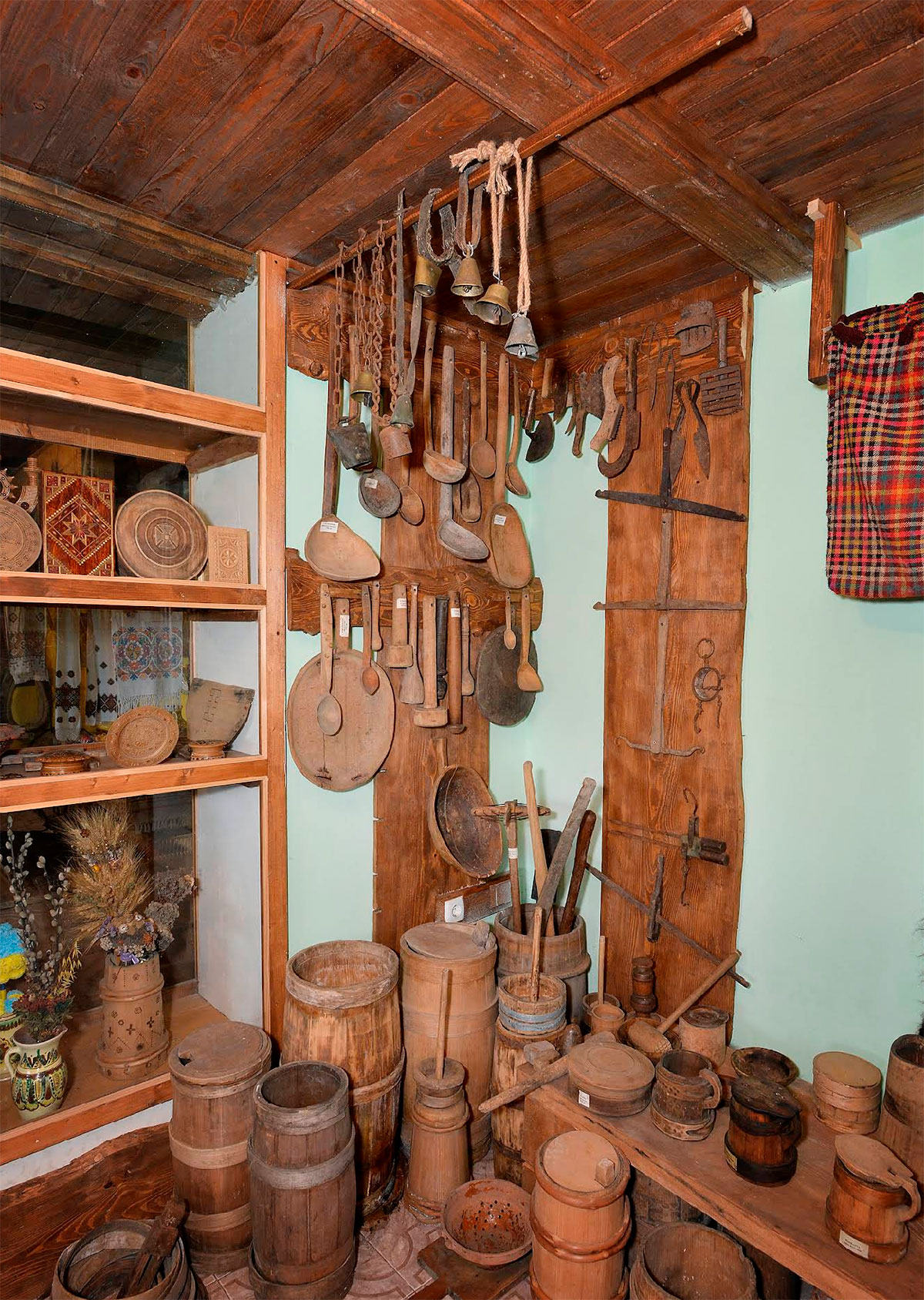
In addition to traditional clothing and household items, the museum also features more unusual exhibits. These include stone, wooden, and clay objects associated with rituals, old photographs, and items revealing the Hutsuls’ beliefs and worldview. It is precisely because of its emphasis on symbolism that this museum is often called one of the most colorful regions.
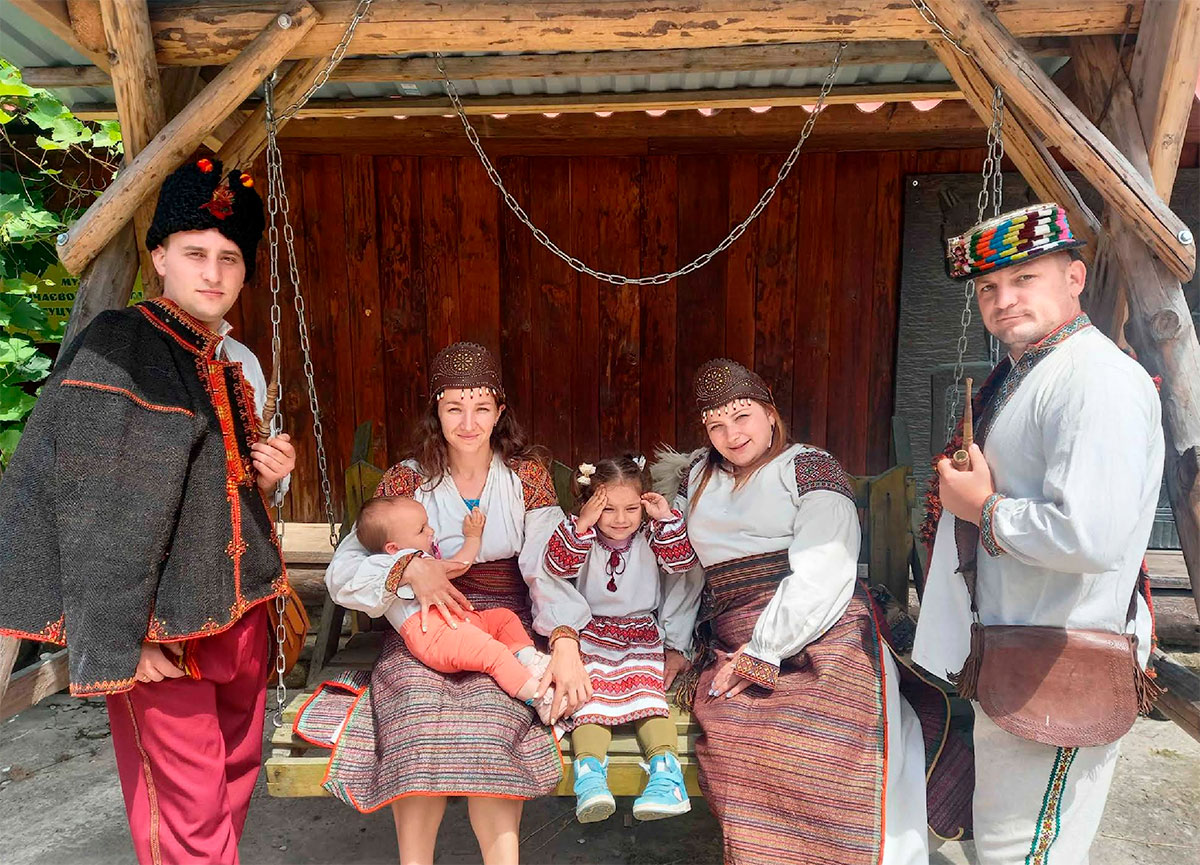
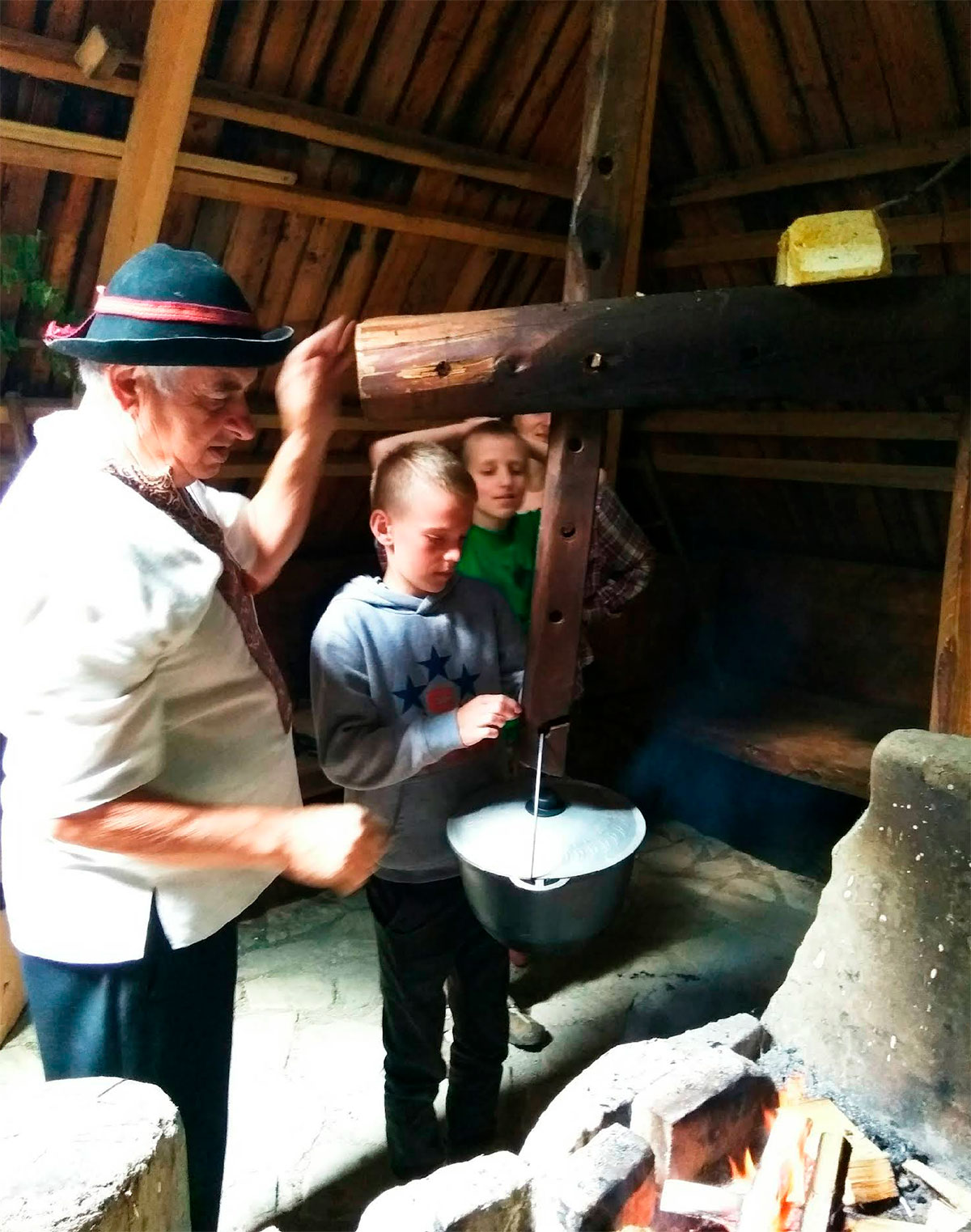
Museum visits are often combined with workshops: here you can try on a Hutsul dress, take photos, learn more about folk crafts, and sometimes watch how traditional cheeses and other dishes are made. For tourists staying in Mykulychyn or traveling further toward Bukovel, this is an excellent stop to understand the Hutsul life not only on posters but also in everyday life.
The Museum of Traditional Hutsul Symbolism fits well into a stroll through the village: it’s a convenient stop after a stroll along the Prut River, a visit to the Chemyhiv canyon, or Mount Makovytsia. This is a place where the Carpathians speak the language of ornaments, colors, and symbols, not just landscapes — and it’s precisely for this language that tourists and tour groups alike love the museum.
Where is located
Mykulychyn, Ivano-Frankivsk region.